



 Secure Shipping

 Worldwide express delivery
 Secure Payment
Cleaning the turbocharger geometry
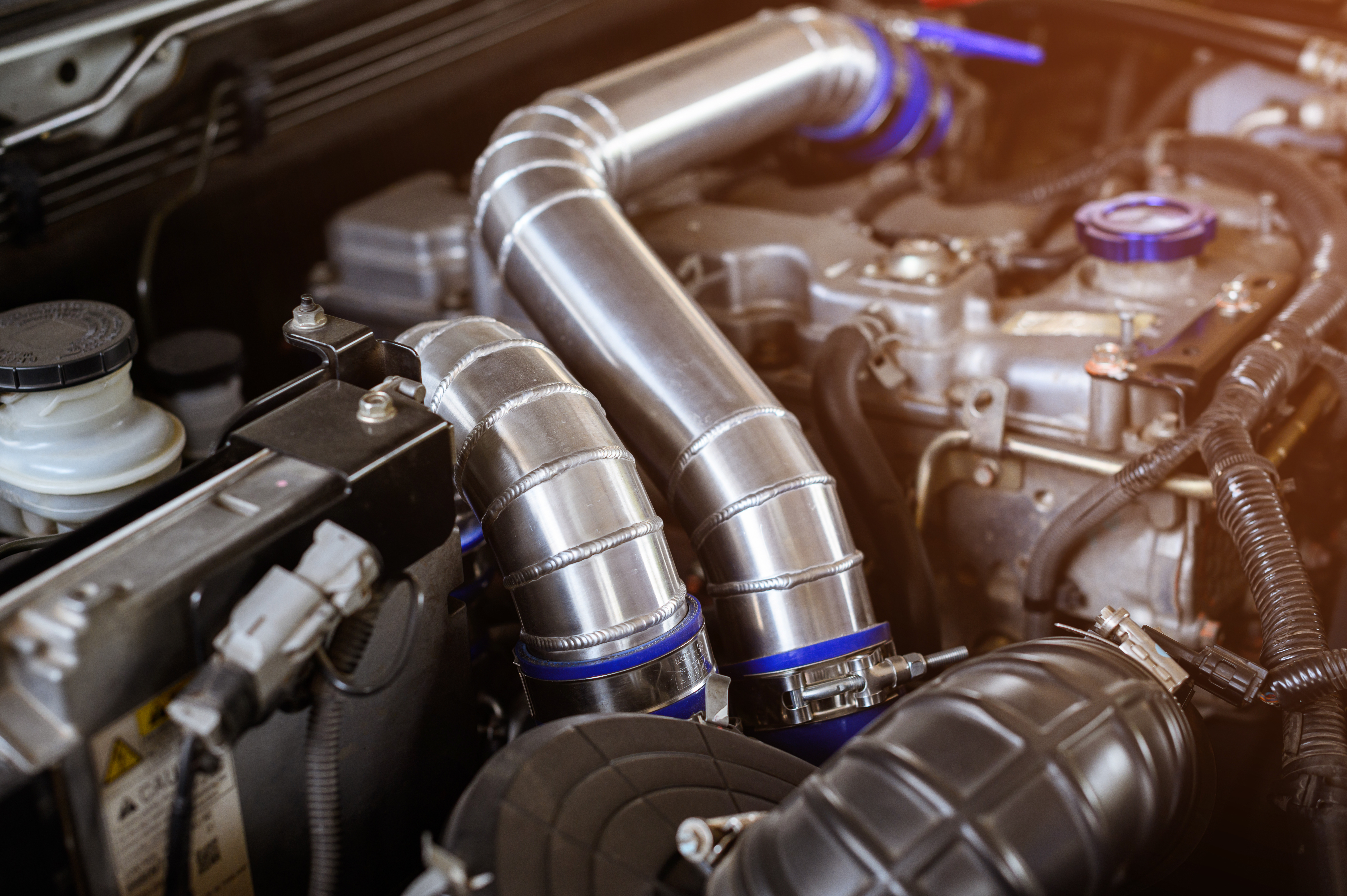
TL;DR: A variable geometry turbocharger (VGT) adjusts exhaust gas flow to deliver fast response and stable boost at all engine speeds. Most issues are caused by carbon buildup or stuck vanes, not total turbo failure.
The variable geometry turbocharger system (VGT) was developed by Garrett in 1953. Its purpose is to supply the engine with the optimal amount of air and maintain consistent performance regardless of engine speed.
In conventional turbochargers, low engine speeds often result in turbo lag. VGT technology reduces this delay by dynamically adjusting the speed and direction of exhaust gases entering the turbine.
How a variable geometry turbocharger works
Around the turbine wheel are movable vanes that change position depending on engine load and RPM.
Core principle: the vanes adjust the cross-section of the exhaust gas flow.
- narrow channel - faster gas flow - quicker turbine acceleration
- wider channel - slower gas flow - stabilized boost pressure
This dynamic control allows:
- faster throttle response
- smoother acceleration
- efficient performance across the full RPM range
A properly functioning VGT eliminates the typical “flat spot” in acceleration and improves overall drivability.
Signs of VGT system problems
In many cases, the issue is not the entire turbocharger, but the variable geometry mechanism itself.
Common causes:
- carbon buildup causing vane sticking
- actuator failure
- mechanical wear
Typical symptoms:
- increased or unusual turbo noise
- burnt oil smell
- change in exhaust smoke color
- uneven acceleration or loss of power
- increased fuel consumption
Important: if the vanes cannot move freely, the system cannot regulate exhaust flow correctly. This leads to unstable boost pressure and reduced engine performance.
Proper diagnostics are essential. In many cases, cleaning the geometry is sufficient, without replacing the entire turbocharger.
Cleaning the variable geometry
The reliability of the VGT system depends heavily on operating conditions. The main issue is carbon deposits formed during combustion, which accumulate on vanes and internal surfaces.
Risk factors:
- low-quality engine oil
- short trips and frequent cold starts
- aggressive driving
- neglecting maintenance intervals
Some car owners attempt DIY cleaning, but this requires precise knowledge of the mechanism. Incorrect handling can damage components or affect calibration.
A professional approach is safer and ensures an accurate diagnosis of whether cleaning, adjustment, or part replacement is needed.
Professional cleaning includes:
- complete turbocharger disassembly
- removal of carbon deposits from vanes and housing
- inspection for wear and free movement
- restoration or replacement of worn components if required
After cleaning, the geometry is calibrated on a dedicated test bench to restore proper operation and match factory specifications.
If you notice the symptoms described above, contact BR Turbo specialists. Accurate diagnostics can help avoid unnecessary costs and extend the life of your turbocharger.
FAQ about variable geometry turbochargers
What is a variable geometry turbocharger?
A VGT is a turbocharger with adjustable vanes around the turbine. These vanes control exhaust gas flow to improve response and boost control at different engine speeds.
Why do VGT turbochargers fail?
The most common causes are carbon buildup, stuck vanes, actuator failure, and mechanical wear. It does not always mean the entire turbo must be replaced.
Can VGT geometry be cleaned?
Yes, in many cases professional cleaning restores proper function. Diagnosis is required to determine whether cleaning or repair is needed.
What are the symptoms of VGT problems?
Common symptoms include uneven acceleration, loss of power, increased fuel consumption, exhaust smoke changes, burnt oil smell, and unusual turbo noise.
Should I clean VGT myself?
DIY cleaning is not recommended without proper experience and tools. Incorrect handling can damage the mechanism and lead to higher repair costs.